Buying your first home is one of the most exciting yet daunting experiences you'll ever have. For most first-time buyers in Essex, the property survey remains one of the most misunderstood aspects of the home buying process. Many people wonder whether they actually need a survey, what type to get, and how to interpret the results. This comprehensive guide will walk you through everything you need to know about property surveys as a first-time buyer, helping you make confident, informed decisions about your property purchase.
The property market in Essex offers diverse opportunities for first-time buyers, from modern apartments in Chelmsford to period terraces in Colchester. However, regardless of the property type or location, understanding property surveys is crucial to protecting your investment and avoiding costly surprises after completion. As experienced chartered surveyors working throughout Essex, we've helped thousands of first-time buyers navigate the survey process, and we want to share our knowledge with you.
Understanding Why Property Surveys Matter
Many first-time buyers question whether they really need to spend money on a property survey, especially when they're already stretched financially with deposit requirements, legal fees, and moving costs. The temptation to skip the survey and rely on the mortgage valuation can be strong, but this decision often proves to be a false economy that can lead to significant problems and expenses down the line.
A mortgage valuation is conducted on behalf of your lender, not for your benefit. The valuer's primary concern is confirming that the property provides adequate security for the loan amount. They're essentially checking that if you default on your mortgage and the lender needs to repossess and sell the property, they'll recover their money. A mortgage valuation is typically a brief inspection lasting perhaps thirty minutes, and the report you receive (if you get one at all) will be minimal. The valuer won't be looking for defects or problems that could cost you money; they're simply confirming the property is worth roughly what you're paying for it.
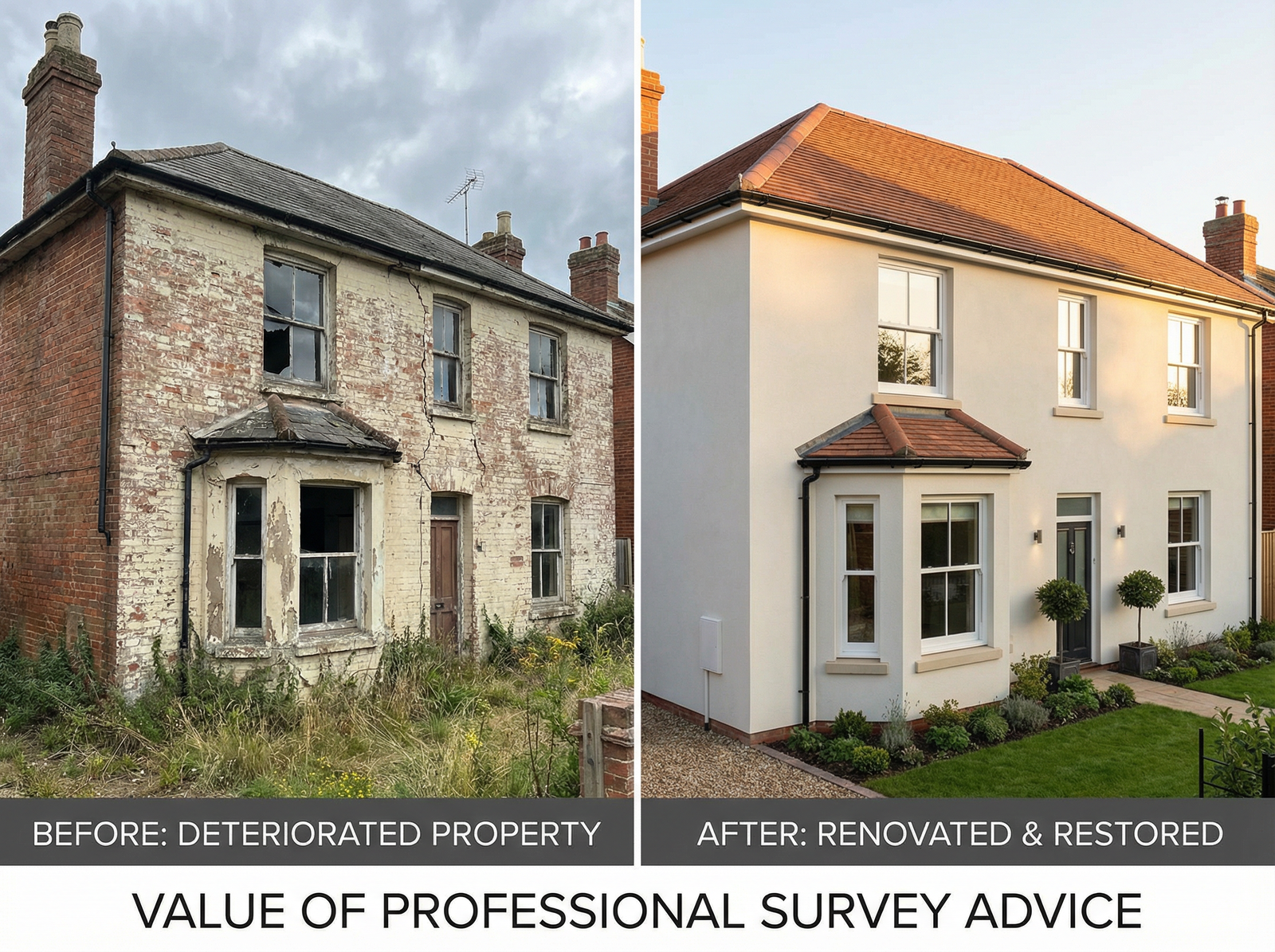
In contrast, a proper property survey conducted by chartered surveyors is a comprehensive examination of the property's condition carried out specifically for your benefit. The surveyor will spend several hours thoroughly inspecting accessible areas of the property, identifying defects, assessing the condition of key elements, and providing detailed advice about any issues that could affect your enjoyment of the property or require expensive repairs. This information empowers you to make informed decisions about whether to proceed with the purchase, negotiate the price, or request repairs before completion.
Consider a real example from our work in Basildon last year. A first-time buyer was purchasing a 1960s semi-detached house that looked well-maintained and modern from the outside. The mortgage valuation came back fine, but they wisely commissioned a Level 2 Homebuyer Report. Our surveyor identified significant concrete repair issues that would require extensive work costing approximately fifteen thousand pounds. Armed with this information, the buyer renegotiated the purchase price and factored the repair costs into their budget. Without the survey, they would have discovered these problems only after moving in, facing an unexpected financial burden that could have jeopardized their financial stability.
Choosing the Right Survey Type for Your First Home
As a first-time buyer, understanding which survey type best suits your needs is essential. The Royal Institution of Chartered Surveyors recognizes three main levels of residential surveys, each offering different depths of inspection and reporting. Choosing the appropriate level depends on several factors including the property's age, construction type, apparent condition, and your plans for the property.
The RICS Level 1 Condition Report represents the most basic survey option. This report provides a simple traffic-light assessment of the property's condition, identifying urgent defects and potential issues but without extensive detail or advice. Level 1 reports are generally only suitable for newer properties less than ten years old that are in good condition, where you're buying a relatively standard property type with conventional construction. For most first-time buyers in Essex, particularly those purchasing older properties or anything built before 2010, a Level 1 report provides insufficient detail and doesn't offer good value for money compared to the more comprehensive Level 2 option.
The RICS Level 2 Homebuyer Report is by far the most popular choice for first-time buyers and represents excellent value for money. This comprehensive survey examines all accessible areas of the property, rating the condition of different elements using an easy-to-understand traffic-light system. Red ratings indicate serious problems requiring urgent attention, amber ratings highlight issues that need addressing but aren't immediately critical, and green ratings confirm elements are in satisfactory condition. The Level 2 report includes a market valuation, which can be particularly valuable if you're concerned about overpaying, and provides detailed advice about defects, repairs, and ongoing maintenance requirements. For standard properties built after 1900 that appear in reasonable condition, the Level 2 survey offers the perfect balance of depth, detail, and cost-effectiveness.
The RICS Level 3 Building Survey offers the most detailed and comprehensive inspection available. This extensive report describes every aspect of the property's construction and condition in technical detail, diagnosing defects and explaining their causes and implications. Level 3 surveys are particularly appropriate for older properties built before 1900, buildings of unusual construction, properties in poor condition, or situations where you're planning significant alterations or renovations. While more expensive than a Level 2 survey, the Level 3 option provides invaluable detail for properties where hidden problems are more likely or where you need comprehensive information to plan renovation work.
For most first-time buyers in Essex purchasing a standard property built within the last century, we typically recommend the Level 2 Homebuyer Report. This survey provides excellent protection without excessive cost, offering the detailed information you need to make informed decisions about your purchase. However, if you're buying a Victorian terrace in Colchester, a period cottage in a rural village, or any property showing obvious signs of problems, the more comprehensive Level 3 survey represents a wise investment that could save you significant money in the long run.
The Survey Process: What to Expect
Understanding what happens during the survey process helps reduce anxiety and ensures you're prepared for each stage. Once you've decided to commission a survey and chosen the appropriate type, you'll need to contact chartered surveyors to arrange the inspection. The best time to instruct a surveyor is immediately after your offer has been accepted, before you've incurred significant legal costs, giving you maximum flexibility if serious problems are discovered.
When you contact surveying firms to request quotes, be prepared to provide key information about the property including the full address, approximate age, construction type, number of bedrooms, and whether it's detached, semi-detached, terraced, or a flat. This information allows the surveyor to provide an accurate quote and ensure they allocate sufficient time for the inspection. You should also mention any specific concerns you have about the property, as the surveyor can pay particular attention to these areas during the inspection.
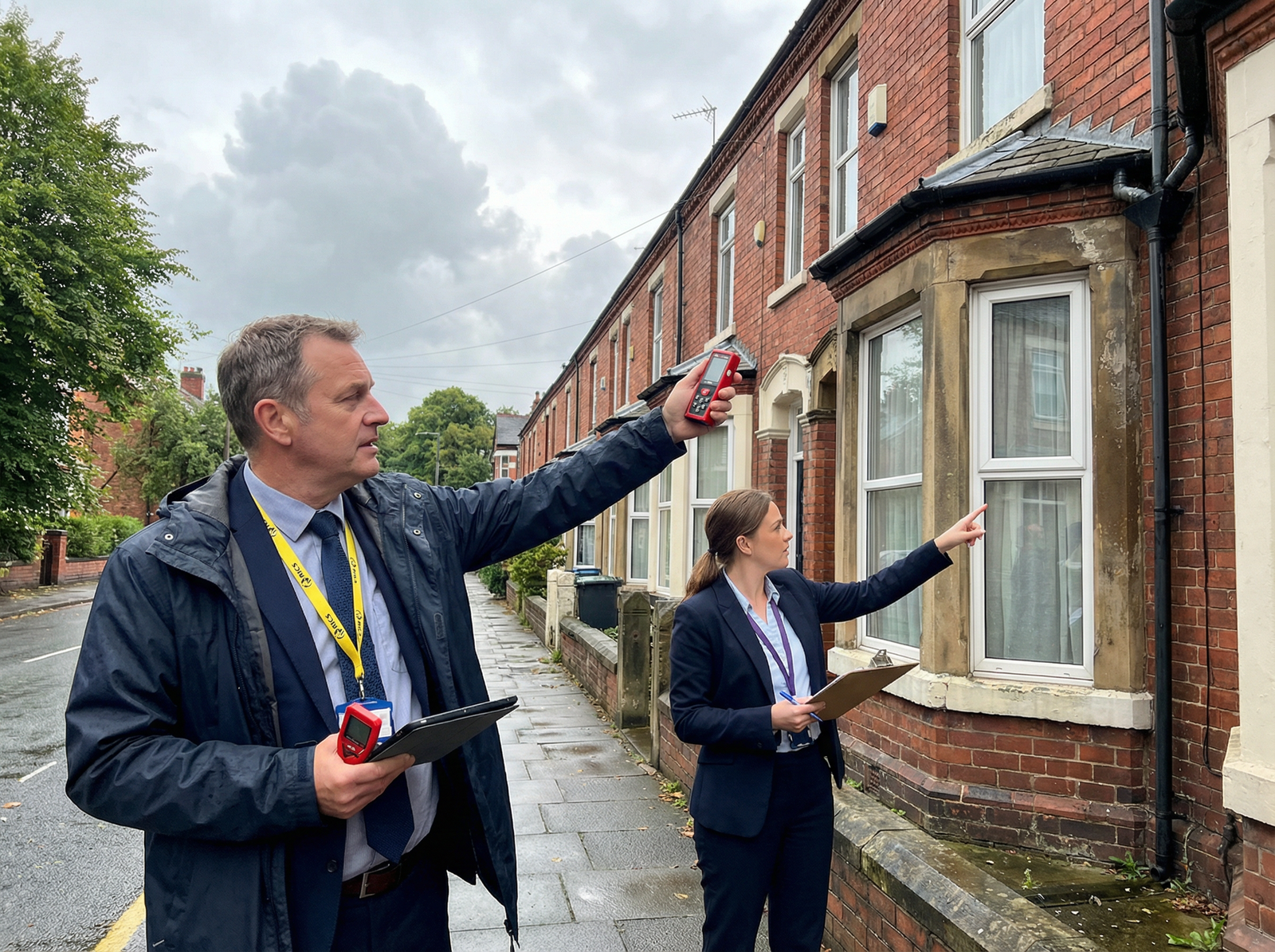
Most surveying firms throughout Essex can schedule inspections within three to five working days of instruction, though this depends on availability and the property's location. You don't need to be present during the survey inspection, which typically takes between two and four hours depending on the property size and survey type. The surveyor will need access to all areas of the property, so you'll need to coordinate with the seller or estate agent to ensure the property is accessible and that any pets are secured. The surveyor will examine external areas including the roof (typically viewed from ground level with binoculars unless access is available), walls, windows, doors, drainage, and boundaries, as well as internal areas including rooms, services, fixtures, and any accessible roof spaces or cellars.
After the inspection, the surveyor will compile their findings into a detailed report. For Level 2 surveys, expect to receive your report within three to five working days after the inspection. The report will typically run to thirty or forty pages, presenting information in a structured format that's designed to be accessible to non-technical readers. Modern survey reports use clear language, helpful diagrams, and the traffic-light rating system to ensure you can easily understand the property's condition and any issues that need attention.
Understanding Your Survey Report
When your survey report arrives, it's natural to feel overwhelmed by the volume of information and technical terminology. However, survey reports are structured to help you quickly identify the most important issues and understand their implications. Taking time to read through the report carefully and making notes of any questions is important, as your surveyor should be available to discuss the findings and explain anything that's unclear.
The traffic-light rating system used in Level 2 reports makes it easy to prioritize issues. Condition rating 3, shown in red, indicates serious defects or potential serious defects that require urgent attention. These might include significant structural movement, extensive damp penetration, serious roof defects allowing water ingress, or hazardous electrical installations. Red ratings don't necessarily mean you shouldn't buy the property, but they do indicate issues that need addressing promptly and will likely require professional contractors and potentially significant expenditure.
Condition rating 2, shown in amber, identifies defects that need attention but are not considered urgent or critical. These might include minor damp patches, aging heating systems that are functioning but nearing the end of their serviceable life, worn roof coverings that will need replacement within a few years, or aging double glazing units with failed seals. Amber ratings help you understand ongoing maintenance requirements and budget for future works, even if immediate action isn't necessary.
Condition rating 1, shown in green, confirms that elements are in acceptable condition with no significant defects noted. It's important to understand that very few properties, particularly older ones, receive green ratings for every element. Finding some amber or even red ratings is normal and doesn't mean the property is unsuitable. The key is understanding the nature and severity of identified issues and their financial implications.
Beyond the condition ratings, your survey report will include sections covering specific aspects of the property. The roof section examines coverings, chimneys, rainwater goods, and any visible roof structure. The walls section considers external walls, internal walls, damp-proofing, and insulation. There will be detailed sections covering floors, windows, doors, services including electricity, gas, water, heating, and drainage, plus any outbuildings or permanent fixtures. Each section provides specific observations, condition ratings, and advice about any issues identified.
The valuation section included in Level 2 reports provides the surveyor's opinion of the property's market value and reinstatement cost for insurance purposes. The market valuation can be particularly useful if you're concerned about overpaying, as it's based on the surveyor's detailed inspection and understanding of the property's actual condition. If the surveyor's valuation is significantly below the agreed purchase price, this gives you strong grounds for renegotiation.
Acting on Survey Findings
Once you've received and reviewed your survey report, you need to decide how to proceed. If the survey identifies serious defects, you have several options. The first is to renegotiate the purchase price to reflect the cost of necessary repairs. This approach works well when the seller is motivated and the issues are clearly defined with reasonably predictable repair costs. Providing the survey report to your solicitor and estate agent demonstrates the problems objectively and strengthens your negotiating position.
Alternatively, you might request that the seller carries out specific repairs before completion. This approach can work well for smaller, clearly defined issues, though it does require the seller's agreement and can delay the completion date. Make sure any agreed repairs are specified clearly in writing, carried out by appropriately qualified contractors, and that you receive certification or guarantees for the work before completion. Your solicitor should ensure these arrangements are properly documented.
In some cases, particularly when very serious defects are identified, the most sensible decision might be to withdraw from the purchase entirely. While disappointing, discovering major problems through a survey before you've committed to the purchase is far better than finding them after you've moved in. The survey has then served its purpose perfectly by protecting you from making an unsuitable or overpriced purchase. The few hundred pounds spent on the survey will seem very worthwhile compared to the tens of thousands you might have lost on a problematic property.
For properties where the survey identifies only minor issues or routine maintenance matters, you can proceed with confidence, simply factoring the ongoing maintenance requirements into your long-term budget. Understanding what maintenance will be needed and when helps you plan financially and avoid nasty surprises after moving in.
Special Considerations for Essex Properties
The Essex property market presents some unique characteristics that first-time buyers should understand. Coastal areas including Southend-on-Sea, Clacton, and Frinton face particular challenges from exposure to salt-laden winds, which can accelerate deterioration of external decorations, metalwork, and roof coverings. Properties in these areas require more frequent external maintenance, and surveys will pay particular attention to weathering, corrosion, and damp penetration. Budget for more frequent painting and maintenance if you're buying in coastal locations.
Essex also has significant numbers of post-war properties, particularly in towns like Basildon and Harlow that were developed as new towns in the 1950s and 1960s. These properties often feature concrete construction, which can present specific issues including carbonation of concrete, spalling, and structural concerns. Some properties from this era were built using non-traditional construction methods that may affect mortgage availability and require specialist surveys. If you're considering a post-war property, ensuring your surveyor has experience with these construction types is important.
Period properties, which are numerous in historic towns like Colchester and Saffron Walden, require particular understanding and often benefit from Level 3 surveys. These older buildings were constructed using different methods and materials than modern properties, and issues like solid wall construction without damp-proof courses, lime mortar pointing, and aging roof timbers need careful assessment by surveyors experienced with period buildings. However, these properties can offer wonderful character and good long-term value when their maintenance requirements are properly understood and budgeted for.
Budget Planning as a First-Time Buyer
One of the biggest challenges for first-time buyers is managing all the costs associated with purchasing a property. The purchase price itself is just the beginning. You'll need to budget for various professional fees, taxes, and initial setup costs, and understanding these from the outset helps avoid financial stress during what can already be an emotional process.
Survey costs vary depending on the property value, size, and survey type, but budget between four hundred and nine hundred pounds for a Level 2 Homebuyer Report on a typical first-time buyer property in Essex. While this might seem like a significant expense, it's a relatively small percentage of the total purchase price and can save you many times its cost by identifying problems before you commit to the purchase.
Legal fees typically range from eight hundred to fifteen hundred pounds depending on the complexity of the transaction and whether the property is freehold or leasehold. Leasehold properties generally incur higher legal costs due to the additional work involved in reviewing lease documents and management arrangements.
Stamp duty represents a significant cost for properties above the current threshold. First-time buyers in England benefit from stamp duty relief, meaning you don't pay any stamp duty on properties costing up to three hundred thousand pounds, and pay a reduced rate on the portion between three hundred thousand and five hundred thousand pounds. Use the government's stamp duty calculator to determine your exact liability based on the purchase price.
Don't forget to budget for moving costs, which can range from a few hundred pounds for van hire and doing it yourself, to over a thousand pounds for professional removal services. You'll also need to set aside money for any immediate repairs or maintenance identified in the survey, initial furniture and appliances if needed, and a contingency fund for unexpected issues. Having three to five thousand pounds available beyond your deposit and immediate purchase costs provides valuable peace of mind and flexibility.
Common Mistakes First-Time Buyers Make
Through years of working with first-time buyers throughout Essex, we've observed several common mistakes that you can easily avoid with proper planning and professional guidance. Perhaps the most significant mistake is failing to commission a survey or opting for an inadequate level of inspection. The short-term saving rarely justifies the long-term risk, and discovering expensive problems after completion can be financially devastating for first-time buyers who've stretched their finances to afford the deposit and purchase costs.
Another frequent error is choosing a surveyor based solely on price rather than considering their qualifications, experience, and reputation. While cost is understandably a factor, the cheapest survey isn't necessarily the best value. Look for chartered surveyors who are members of the Royal Institution of Chartered Surveyors, which ensures they meet professional standards, maintain appropriate insurance, and adhere to strict codes of conduct. Experienced local surveyors also bring valuable knowledge of regional construction types, common issues in specific areas, and local property market conditions.
Some first-time buyers make the mistake of not reading their survey report carefully or not seeking clarification on points they don't understand. Survey reports contain valuable information, and your surveyor should be available to discuss the findings and answer questions. Taking time to understand the report fully ensures you can make informed decisions about how to proceed.
Failing to act on survey findings appropriately represents another common error. If serious defects are identified, you need to address them, whether through price negotiation, requesting repairs, or ultimately walking away from the purchase. The survey has protected you by revealing problems before you've committed; failing to act on this information wastes the investment you've made in commissioning the survey and exposes you to the very risks the survey was designed to mitigate.
Looking Beyond the Survey
While the property survey provides crucial information about the building's physical condition, first-time buyers should also consider other factors that affect your enjoyment of the property and its long-term value. Research the local area thoroughly, visiting at different times of day and different days of the week to understand the neighborhood's character. Consider transport links, local amenities, schools if relevant, and planned developments that might affect the area.
Understand the ongoing costs of owning the property beyond the mortgage payment. Council tax, utility bills, buildings and contents insurance, and routine maintenance all add to the monthly outgoings. For leasehold properties, service charges and ground rent create additional regular costs that you need to budget for. Make sure you're comfortable with the total monthly expenditure before committing to the purchase.
Think about your medium-term plans and how the property fits with them. While buying your first home is exciting, it's also important to be realistic about your likely changing needs over the next five to ten years. Consider whether the property offers space for a growing family if that's in your plans, or whether there's potential to add value through sensible improvements if you're thinking about the property as an investment as well as a home.
Ready to Commission Your First Property Survey?
Our experienced chartered surveyors help first-time buyers throughout Essex make confident, informed decisions. Get in touch today for expert advice and a no-obligation quote.
Contact Our TeamFinal Thoughts for First-Time Buyers
Buying your first home is an enormous step, both financially and emotionally. The process can feel overwhelming at times, with numerous professionals involved, complex terminology, and significant sums of money at stake. However, taking time to understand each stage of the process, including the crucial role of property surveys, empowers you to make decisions with confidence and protects your interests throughout the transaction.
A professional property survey conducted by experienced chartered surveyors represents one of the best investments you can make as a first-time buyer. The few hundred pounds spent on a comprehensive survey can save you thousands or even tens of thousands in unexpected repair costs, and provides invaluable peace of mind that you're making a sound purchase. The information gained through the survey also strengthens your negotiating position, potentially recovering its cost through price reduction if problems are identified.
Remember that buying a property, particularly as a first-time buyer, is not just about finding something you like the look of. It's about making a sound financial decision that you can sustain comfortably, that meets your needs now and in the foreseeable future, and that represents fair value for money. Professional advice from qualified surveyors, solicitors, and mortgage advisors helps ensure you achieve all these objectives.
The property market in Essex offers excellent opportunities for first-time buyers, with diverse property types across different price points and locations. Whether you're drawn to a modern apartment in Chelmsford, a Victorian terrace in Colchester, or a suburban family home in Basildon, understanding the survey process and commissioning an appropriate inspection protects your interests and helps ensure your first property purchase is a positive experience that sets you on the path to successful property ownership.
Don't let the complexity of the process or concerns about costs deter you from taking this important step. With professional guidance, careful planning, and thorough property inspection through a proper survey, you can buy your first home with confidence, knowing you've made an informed decision based on expert advice and comprehensive information about the property's condition. Your first home purchase should be an exciting milestone, and proper preparation including commissioning a professional survey ensures it remains a positive experience you can look back on with satisfaction.