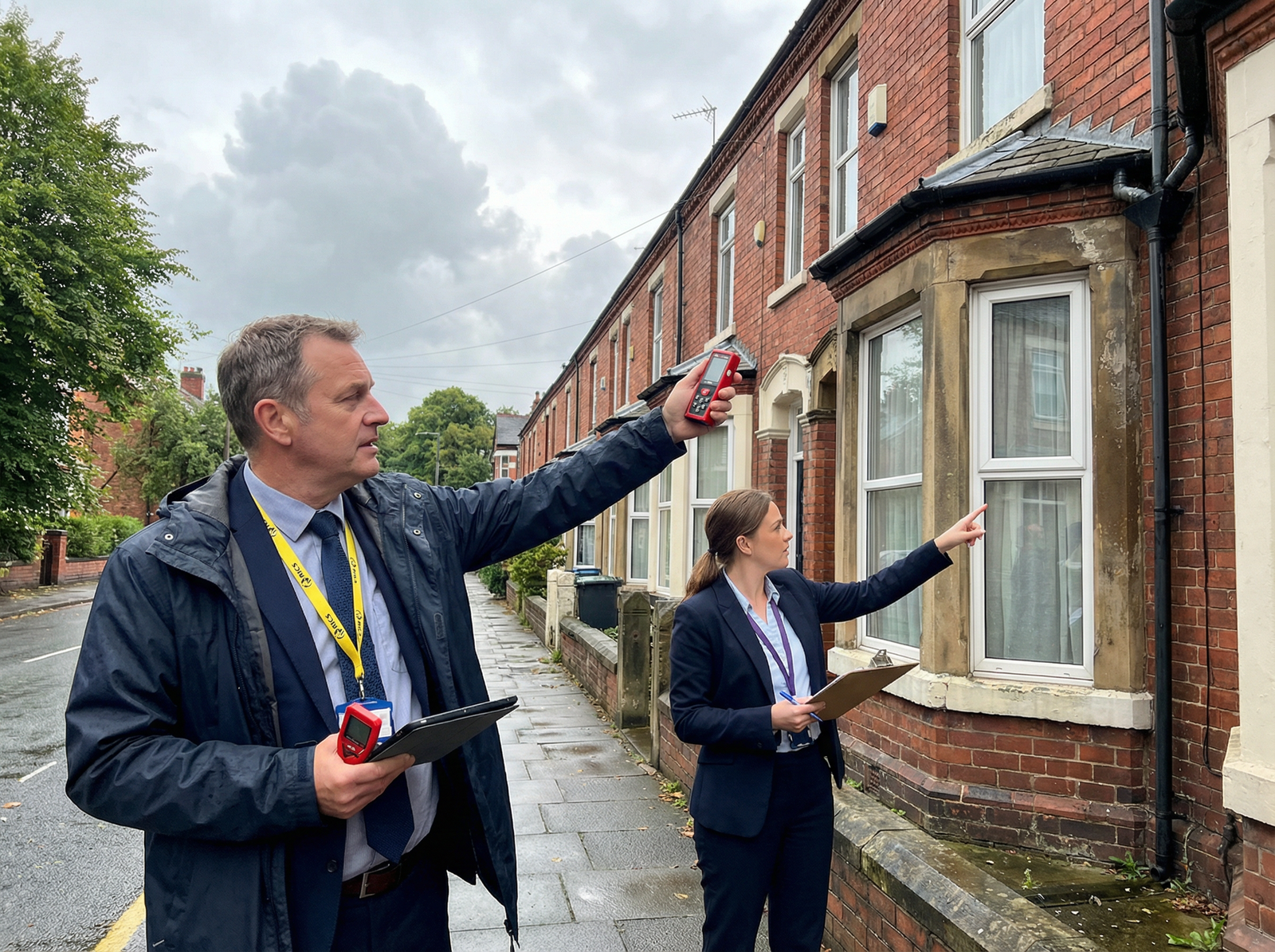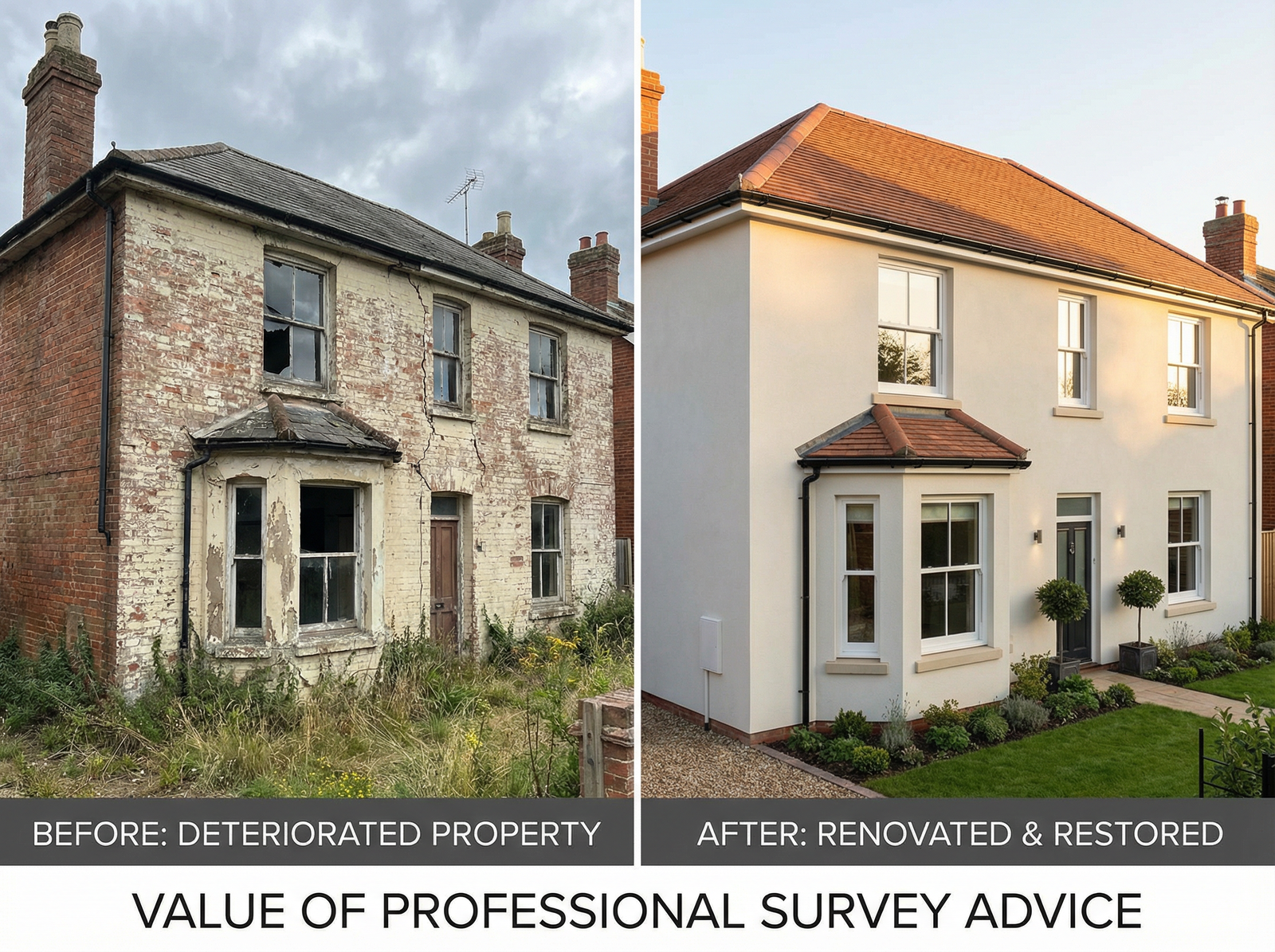
Through thousands of property surveys conducted across Essex, our experienced chartered surveyors have developed deep insight into the most common defects affecting homes throughout the county. Understanding these typical problems helps property buyers make informed decisions, prepare realistic budgets, and negotiate effectively when issues are discovered. This comprehensive guide explores the ten most frequent defects we encounter during property inspections in Essex, explaining their causes, implications, and what you should know about each issue.
Essex's diverse housing stock, ranging from Victorian terraces in Colchester to post-war developments in Basildon and modern apartments in Chelmsford, presents a wide variety of potential problems. Some issues are specific to certain property ages or types, while others affect buildings regardless of their construction date. Recognizing these common defects and understanding their significance empowers you to approach property purchases with greater confidence and awareness.
Rising Damp: The Persistent Problem
Rising damp consistently ranks among the most common defects identified in Essex properties, particularly in older buildings constructed before modern damp-proof courses became standard practice. This issue occurs when ground moisture rises through porous building materials via capillary action, typically affecting walls up to approximately one metre above ground level. The problem is especially prevalent in Victorian and Edwardian properties throughout Essex, where original slate or bitumen damp-proof courses may have failed or were never adequately installed.
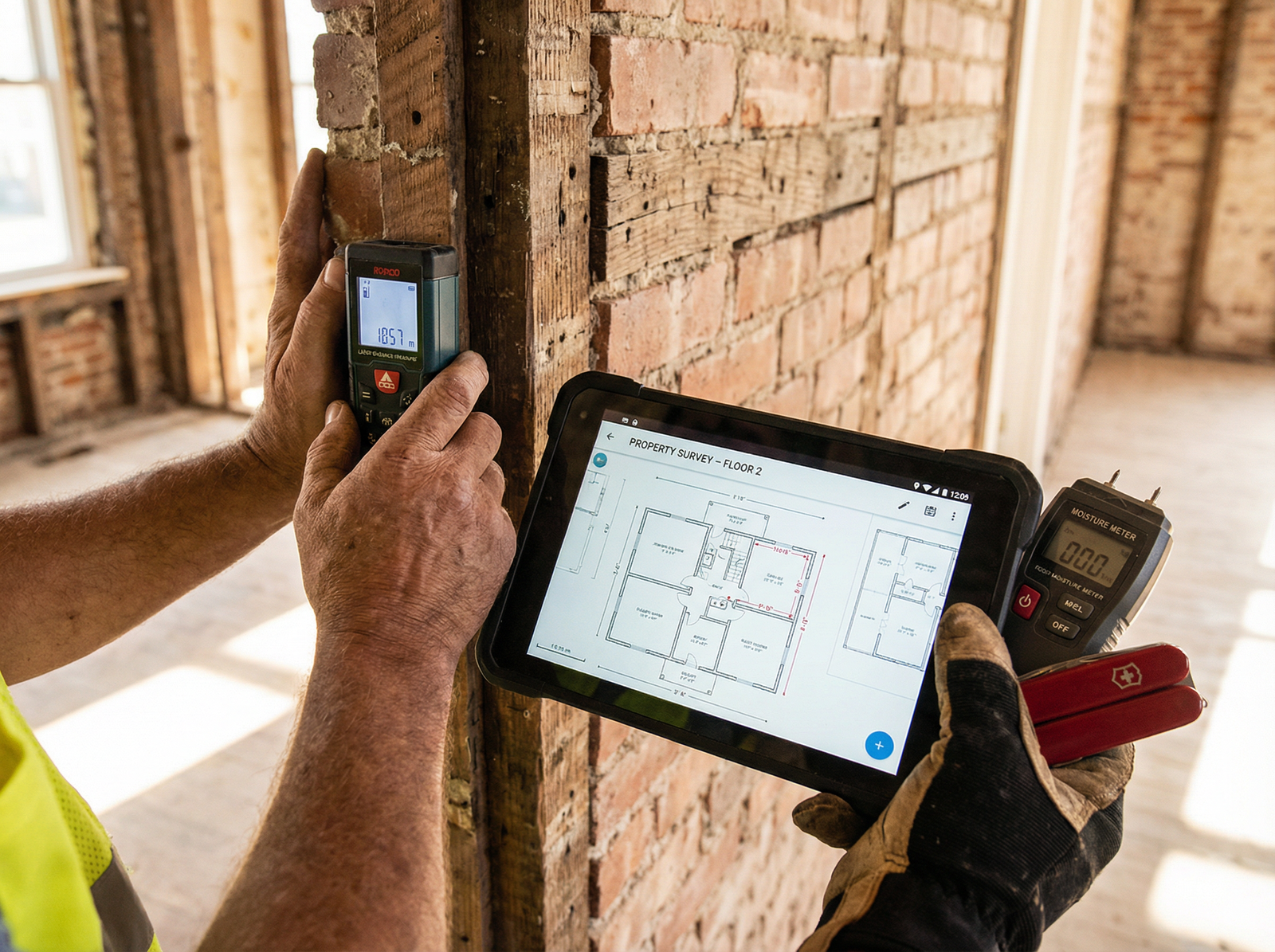
Visual signs of rising damp include characteristic tide marks on internal walls, peeling wallpaper or flaking paint at low level, damp or musty odors, and the presence of hygroscopic salts that appear as white crystalline deposits. These salts, drawn up from the ground with the moisture, remain in the wall even after the surface dries, continuing to attract moisture from the air. Our surveyors use calibrated moisture meters to measure moisture levels within walls, distinguishing rising damp from other moisture problems that require different treatment approaches.
Treatment costs for rising damp vary considerably depending on the property size and severity of the problem. Installing a new chemical damp-proof course typically costs between one thousand and three thousand pounds for an average terraced house, though extensive replastering and redecoration add to the overall expense. Some cases may require more complex solutions involving external ground level reduction or drainage improvements. Properties in low-lying areas of Essex or those with poor external drainage are particularly susceptible to rising damp problems.
Roof Defects and Water Ingress
Roof problems represent another extremely common category of defects identified during property surveys across Essex. The county's exposure to harsh coastal weather, particularly in areas like Southend-on-Sea, Clacton, and Frinton, accelerates roof deterioration. Aging roof coverings, missing or slipped tiles, defective flashings, and blocked gutters all contribute to water ingress that can cause significant damage to the property's structure and interior.
Clay tile roofs, common throughout Essex, typically have a lifespan of fifty to sixty years, though this can be reduced by severe weather exposure. As tiles age, they become porous and may crack or delaminate, allowing water penetration. Our surveyors often identify roofs approaching the end of their serviceable life, where multiple tiles show signs of deterioration and replacement becomes more economical than ongoing repairs. Complete roof replacement for a typical three-bedroom semi-detached house in Essex costs between six thousand and twelve thousand pounds depending on the roof size, complexity, and chosen materials.
Flat roofs, popular on extensions and garages throughout Essex, present particular challenges. Traditional felt flat roofs have relatively short lifespans of ten to twenty years and require regular maintenance. We frequently identify aging felt roofs with splits, blisters, or ponding water that indicates inadequate falls. Modern GRP or rubber membrane systems offer improved longevity but represent significant investment when replacement becomes necessary. Regular gutter clearing and maintenance significantly extends roof life, yet many homeowners neglect this simple preventative measure.
Structural Movement and Subsidence
Structural movement causes considerable anxiety for property buyers, and with good reason. Essex's varied geology, including significant areas of clay soil particularly in South Essex, creates conditions where subsidence, heave, and settlement can occur. These issues manifest as cracks in walls, distorted door and window frames, and uneven floors. Our surveyors carefully assess crack patterns, widths, and locations to determine whether movement is historic and stable or ongoing and progressive.
Clay soils shrink during dry periods and expand when wet, creating cyclical ground movement that stresses building foundations. Properties with inadequate foundation depth, common in older buildings, are particularly vulnerable. Tree roots exacerbate the problem by extracting moisture from clay soils during summer months, causing localized shrinkage around the foundation perimeter. Large trees such as poplars, willows, and oaks positioned close to properties represent significant risk, particularly during extended dry periods.
Addressing subsidence represents one of the most expensive repair scenarios, potentially costing tens of thousands of pounds for underpinning works. However, not all cracking indicates serious subsidence. Many properties exhibit minor cracking from normal settlement, thermal movement, or minor ground changes that don't require expensive remedial work. Our experienced surveyors distinguish between different types of movement, advising whether monitoring, minor repairs, or major structural intervention is appropriate. Properties with known subsidence history may face insurance difficulties and reduced market value, making thorough investigation essential before purchase.
Electrical Installation Defects
Outdated or inadequate electrical installations feature prominently in our survey reports, particularly in properties that haven't been rewired within the last thirty years. Many Essex homes, especially those built before 1980, retain original wiring that no longer meets current safety standards. Old rubber or fabric-insulated cables deteriorate over time, becoming brittle and potentially dangerous. Consumer units with rewireable fuses rather than modern circuit breakers indicate installations requiring complete replacement.
Modern households demand significantly more electrical power than installations from the 1960s and 1970s were designed to provide. Insufficient socket outlets lead to dangerous overuse of extension leads and adaptors, creating fire risks. Period properties may have been updated piecemeal over decades, resulting in mixed systems combining old and new components that don't integrate properly. Our surveyors recommend electrical testing by qualified electricians to definitively assess installation condition and identify necessary upgrades.
Complete rewiring costs typically range from three thousand to seven thousand pounds for a three-bedroom house, depending on property size, access difficulty, and the extent of disruption to decorations. While expensive, electrical safety cannot be compromised. Properties with inadequate electrical installations may struggle to obtain buildings insurance or face premium increases. Sellers should provide electrical installation condition reports where available, demonstrating recent testing and certification.
Discovered Defects in Your Property Survey?
Our chartered surveyors can help you understand survey findings and advise on the best course of action. Contact us for expert guidance.
Get Expert AdviceHeating System Issues
Central heating systems represent substantial investments, and aging or inefficient systems feature regularly in our survey reports. Gas boilers typically last fifteen to twenty years with proper maintenance, though many continue operating beyond this point with increasing unreliability and efficiency losses. Our surveyors note boiler age and condition, recommending replacement budgets for units approaching end of life. Modern condensing boilers offer significant efficiency improvements over older models, reducing running costs while improving reliability.
We frequently encounter heating systems with incomplete or missing service records, raising questions about maintenance history. Annual servicing is essential for safety, efficiency, and warranty protection, yet many homeowners neglect this requirement. Corroded radiators, leaking valves, and inadequate system pressure indicate maintenance neglect. Properties with dated heating systems, particularly those without full programmer and room thermostat control, offer opportunities for efficiency improvements that reduce running costs.
Replacing a gas combination boiler typically costs between two thousand and three thousand pounds including installation and system modifications. Older properties with gravity-fed systems may require additional pipework modifications to accommodate modern pressurized systems. With increasing focus on environmental concerns, future buyers may prefer properties with efficient, modern heating installations. Upgrading heating systems not only improves comfort and reduces bills but enhances property marketability.
Damp and Condensation Problems
While rising damp affects older properties specifically, condensation damp troubles buildings of all ages and represents one of the most misunderstood moisture problems. Condensation occurs when warm, moist air contacts cold surfaces, causing water vapor to condense into liquid water. This problem intensifies during winter months when internal-external temperature differences maximize. Modern improvements like double glazing and draught-proofing, while beneficial for heat retention, reduce ventilation and can exacerbate condensation if not properly managed.
Condensation typically appears on cold surfaces like windows, external wall corners, and poorly insulated areas. Persistent condensation leads to mold growth, particularly on ceilings, in room corners, and behind furniture positioned against external walls. This creates both aesthetic problems and potential health concerns, particularly for vulnerable individuals with respiratory conditions. Our surveyors distinguish between condensation and penetrating damp from external sources, each requiring different treatment approaches.
Addressing condensation involves improving ventilation, increasing heating levels, and enhancing insulation to raise surface temperatures above dew point. Installing mechanical ventilation with heat recovery systems represents the most effective solution for severe cases, though costs several thousand pounds. Simpler measures including improving loft and wall insulation, installing extractor fans in bathrooms and kitchens, and encouraging behavioral changes like regular airing can significantly reduce condensation problems. Properties with persistent condensation require careful assessment to determine appropriate remedial measures.
Window and Door Defects
Windows and doors deteriorate with age and exposure, requiring maintenance or eventual replacement. Original timber windows in period properties often suffer from rot, particularly in lower sections where water collects. Failed paint protection allows moisture penetration, leading to decay that compromises both appearance and function. Double-glazed units installed during the 1980s and 1990s commonly exhibit failed seals, visible as persistent condensation or misting between glass panes that cannot be cleared.
Our surveyors assess window and door condition throughout properties, noting areas requiring repair or replacement. Timber windows require regular painting every four to five years to maintain protection and prevent decay. Neglected maintenance leads to expensive replacement requirements rather than manageable repairs. Modern uPVC double glazing typically lasts twenty to twenty-five years before seals fail and units require replacement. Properties with aging double glazing should budget for future replacement costs.
Replacing windows represents significant expense, with costs varying depending on window size, style, and materials chosen. A typical three-bedroom semi-detached house might require eight to ten thousand pounds for complete window replacement with modern double-glazed units. Planning permission may be required for replacement windows in conservation areas or listed buildings, adding complexity and potential additional cost. Energy-efficient windows improve comfort and reduce heating costs while enhancing property value and marketability.
Drainage Problems
Drainage systems operate unseen until problems emerge, often with unpleasant consequences. Our surveyors cannot typically examine drainage systems comprehensively during standard surveys, as this requires specialist CCTV investigation. However, we note indicators suggesting potential drainage issues including damp patches near drains, slow-clearing gullies, manhole covers in poor condition, and historical evidence of drainage problems. Older properties with original clay drainage pipes face particular risk of root ingress, pipe fractures, or joint separation.
Tree roots seeking moisture naturally infiltrate cracked drainage pipes, eventually blocking them and causing sewage backups. Repairing or replacing damaged underground drains involves excavation and significant disruption. Costs vary enormously depending on problem severity and drain depth, potentially running to several thousand pounds for extensive repairs. Shared or combined drainage systems add complexity, as responsibility for repairs may fall partly or wholly on neighboring properties.
Properties experiencing persistent drainage problems or those with aging drainage systems benefit from CCTV drain surveys before purchase. This specialist inspection identifies problems definitively, allowing informed negotiation or decision-making. While adding to pre-purchase costs, drainage surveys provide valuable peace of mind and prevent expensive surprises after completion. Buyers should request drainage records from sellers showing maintenance history and any known problems.
Timber Decay and Infestation
Timber decay from rot and infestation by wood-boring insects affects many properties across Essex, particularly older buildings. Wet rot develops in timber with persistent moisture content above twenty percent, typically from leaks, failed damp-proofing, or inadequate ventilation. Affected timber becomes soft, spongy, and darkened, eventually losing structural integrity. Dry rot, while less common, represents a more serious problem that can spread through masonry seeking new timber to colonize.
Wood-boring beetle infestation, particularly common furniture beetle, affects older properties throughout Essex. Adult beetles lay eggs in timber, and emerging larvae bore through wood as they develop, creating the characteristic flight holes visible on timber surfaces. Active infestation requires treatment, though many properties show evidence of historic infestation that has been treated or died out naturally. Our surveyors assess timber condition throughout accessible areas, noting decay or infestation that requires attention.
Treating timber problems involves removing affected timber, addressing moisture sources, and applying chemical treatments where necessary. Costs depend on problem severity and location. Accessible roof timber with minor beetle infestation might require only chemical spray treatment costing a few hundred pounds, while structural timber decay necessitating beam replacement could cost several thousand pounds. Specialist timber and damp companies provide detailed reports and treatment quotations when problems are identified during surveys.
Cavity Wall Insulation Problems
Cavity wall insulation, widely installed throughout Essex during recent decades, generally provides excellent thermal benefits. However, poor installation or inappropriate use in exposed locations can create problems. Bridged cavities allow moisture to cross from external to internal wall leaves, causing damp patches on internal walls. Properties in exposed coastal locations or those with defective render may experience moisture penetration through filled cavities. Our surveyors note properties with cavity wall insulation and look for signs of associated damp problems.
Remedying cavity wall insulation problems often requires partial or complete insulation removal, an expensive and disruptive process. Before purchasing properties with insulation-related damp issues, obtaining specialist assessments and understanding remediation costs is essential. Not all cavity wall insulation installations are guaranteed, and identifying the original installer may prove difficult in older installations. Properties with persistent damp problems potentially related to cavity insulation require careful investigation before purchase commitment.
Modern insulation materials and installation techniques have improved significantly, reducing problem incidence. However, older installations using inappropriate materials or carried out without proper assessment may cause ongoing issues. Properties in exposed locations benefit from external wall insulation rather than cavity fill, avoiding moisture bridging problems entirely. Buyers should request documentation for any installed insulation, including guarantees and installation certificates providing recourse if problems develop.
Taking Action on Survey Findings
Discovering defects through a property survey might feel disappointing, but this information protects your interests and provides valuable negotiating leverage. Few properties are perfect, and understanding issues before purchase enables informed decision-making. Minor defects requiring routine maintenance don't necessarily indicate unsuitable purchases. However, serious problems warranting expensive remedial work justify price renegotiation or, in extreme cases, purchase withdrawal.
Our surveyors provide clear advice about defect severity and urgency, helping you prioritize concerns and plan budgets. Some issues require immediate attention before occupation, while others represent longer-term maintenance planning. Understanding defect implications allows realistic cost assessment and prevents unexpected financial burdens after moving in. Armed with comprehensive survey information, you can approach property purchases with confidence and make decisions based on complete knowledge rather than assumptions.
Professional property surveys conducted by experienced chartered surveyors identify these common defects and countless others affecting Essex properties. Whether buying a Victorian terrace in Colchester, a post-war semi in Basildon, or a modern apartment in Chelmsford, thorough inspection protects your investment and prevents costly surprises. The few hundred pounds spent on a comprehensive survey represents excellent value compared to the thousands potentially saved through informed negotiation or problem avoidance.
Considering a Property Purchase in Essex?
Our detailed property surveys identify all significant defects, giving you the knowledge needed for confident decision-making. Request your survey quote today.
Request Your Survey