Property valuations serve numerous purposes beyond simple curiosity about what your home might be worth. Whether you're buying, selling, remortgaging, dealing with inheritance, or going through divorce proceedings, understanding professional valuations and how they're conducted is essential. As experienced chartered surveyors and registered valuers working throughout Essex, we conduct hundreds of property valuations annually for diverse purposes. This comprehensive guide explains everything you need to know about property valuations, from the different types available to the factors that influence value across Essex.
Many people confuse estate agent market appraisals with professional RICS valuations, but these serve entirely different purposes and carry different weight. Understanding when you need a formal valuation from qualified chartered surveyors versus a marketing opinion from an estate agent is crucial for making informed property decisions and ensuring you receive appropriate advice for your specific circumstances.
Understanding Different Types of Property Valuations
Professional property valuations come in several distinct forms, each designed for specific purposes and carrying different levels of detail and assurance. The most common type is the mortgage valuation, arranged by lenders to confirm a property provides adequate security for the loan amount. These valuations protect the lender's interests rather than the buyer's, typically involving a brief inspection lasting perhaps thirty minutes. The surveyor confirms the property exists, appears habitable, and seems worth approximately the purchase price. Buyers usually receive minimal information from mortgage valuations, as the detailed report belongs to the lender.
RICS market valuations represent more comprehensive assessments conducted specifically for the client's benefit. These formal valuations comply with RICS Valuation Standards, providing a professional opinion of market value supported by detailed analysis and comparable evidence. Chartered surveyors and registered valuers conduct thorough inspections, typically lasting one to two hours, examining the property's condition, construction, accommodation, and any factors affecting value. The resulting valuation report explains the methodology used, comparable evidence considered, and factors influencing the final opinion of value.
Probate valuations serve specific purposes related to inheritance tax calculations when someone dies. These valuations must reflect the property's open market value at the date of death, which may differ significantly from current market conditions if time has passed before the valuation is commissioned. HM Revenue and Customs accepts valuations from RICS registered valuers, provided they're supported by appropriate evidence and reasoning. Executors need accurate probate valuations to complete inheritance tax returns correctly and avoid potential penalties for undervaluation.
Matrimonial valuations for divorce proceedings require particular sensitivity and objectivity. Courts often instruct single joint experts to value property assets, ensuring both parties receive impartial assessment. These valuations may need to consider various scenarios including immediate sale, deferred sale, or continued occupation by one party. Chartered surveyors providing matrimonial valuations must demonstrate complete independence and support their valuations with robust evidence capable of withstanding legal scrutiny.
Specialist valuations for tax purposes, financial reporting, or secured lending each follow specific requirements and methodologies. Tax valuations for capital gains calculations need to establish values at specific historical dates, requiring research into comparable evidence from those periods. Valuations for company accounts must comply with accounting standards and may need to consider alternative use values or special assumptions. Understanding which valuation type you require ensures you receive appropriate advice meeting your specific needs.
What Affects Property Value in Essex
Location remains the single most influential factor affecting property values throughout Essex. Properties in sought-after towns with excellent transport links to London, such as Chelmsford and Brentwood, command premium prices compared to more remote locations. Access to mainline railway stations significantly impacts value, with homes within walking distance of direct London services worth considerably more than similar properties requiring car journeys to stations. This location premium reflects commuter demand and the time and cost savings of convenient transport links.
Local amenities influence value substantially. Properties near good schools, particularly those with strong Ofsted ratings and examination results, attract families willing to pay premiums for access to quality education. Proximity to shops, healthcare facilities, leisure amenities, and green spaces all contribute positively to value. Conversely, proximity to negative influences like busy roads, industrial areas, or flood risk zones depresses values. Our valuations carefully consider all these location factors and their impact on marketability and value.
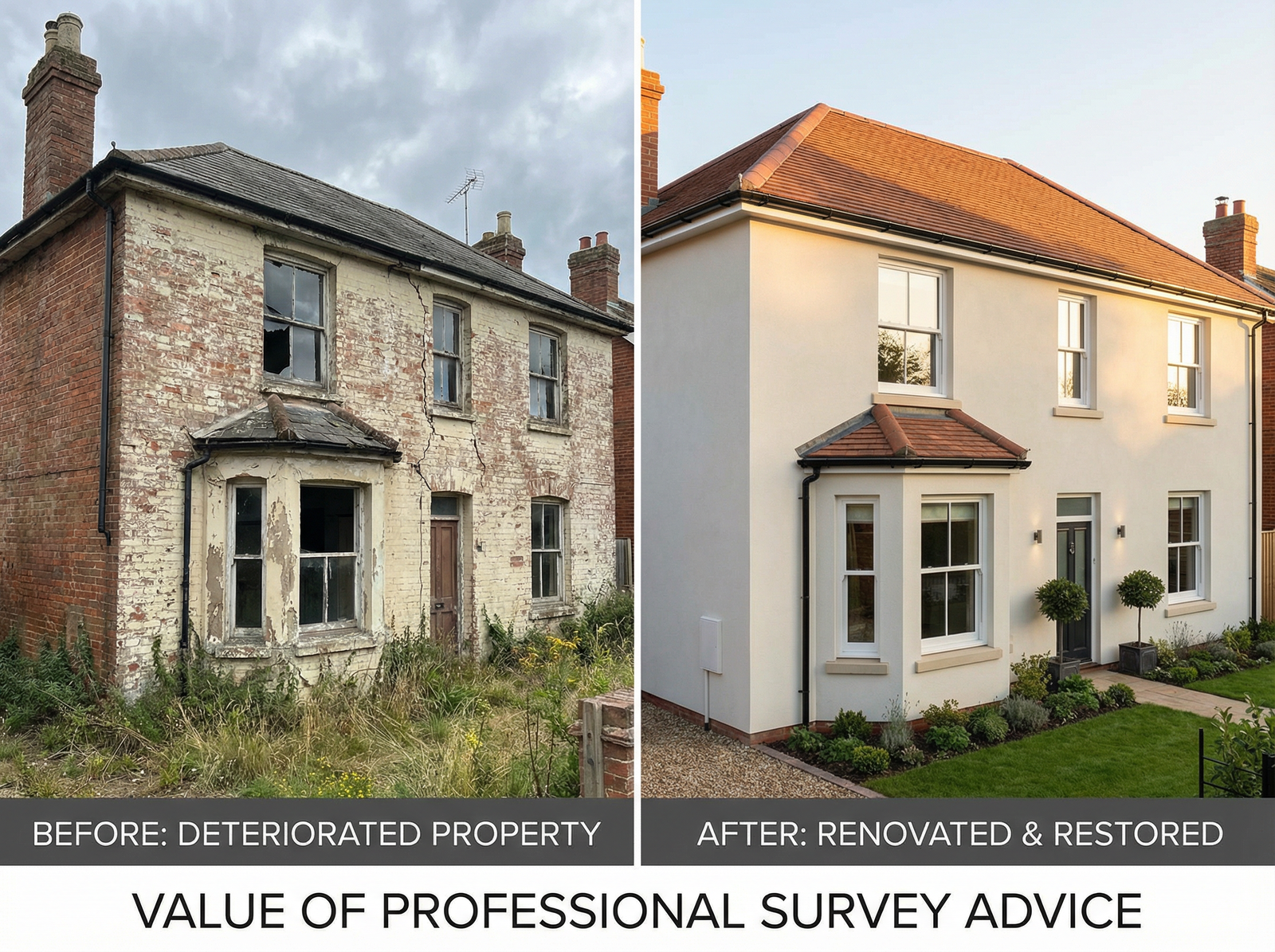
Property condition significantly affects value, with well-maintained homes in good decorative order commanding premiums over properties requiring modernization or repair. Buyers increasingly favor properties needing minimal work, allowing immediate occupation without the disruption and expense of renovation. Period features in older properties add value when well-maintained, but similar features in poor condition become liabilities requiring expensive restoration. Modern improvements including updated kitchens, bathrooms, and energy-efficient measures enhance value, though not necessarily pound-for-pound with their installation costs.
Property size, both in terms of floor area and plot size, directly impacts value. Larger properties naturally command higher prices, though the relationship isn't strictly proportional. An extra bedroom can add significant value, particularly when it creates a more desirable configuration such as moving from two to three bedrooms or three to four bedrooms. Garden size matters to many buyers, particularly families, with good-sized gardens adding value especially in urban areas where outside space is at a premium.
Market conditions at the time of valuation influence values substantially. Strong seller's markets with high demand and limited supply push prices upward, while buyer's markets with plentiful properties and fewer purchasers depress values. Economic factors including interest rates, employment levels, and consumer confidence affect market dynamics and therefore property values. Our valuations consider current market conditions, recent sales trends, and the balance between supply and demand in specific locations and property types.
Need a Professional Property Valuation?
Our RICS registered valuers provide accurate, detailed valuations for all purposes across Essex. Contact us for a quotation.
Request a ValuationThe Valuation Process Explained
Understanding how chartered surveyors conduct valuations helps you appreciate the professionalism and expertise involved in determining property values. The process begins with instruction, where we discuss your valuation requirements, purpose, and any specific considerations. Different valuation purposes require different approaches and reporting formats, so clarifying requirements upfront ensures you receive appropriate service. We provide clear quotations explaining our fees, what the valuation will cover, and expected timescales for completion.
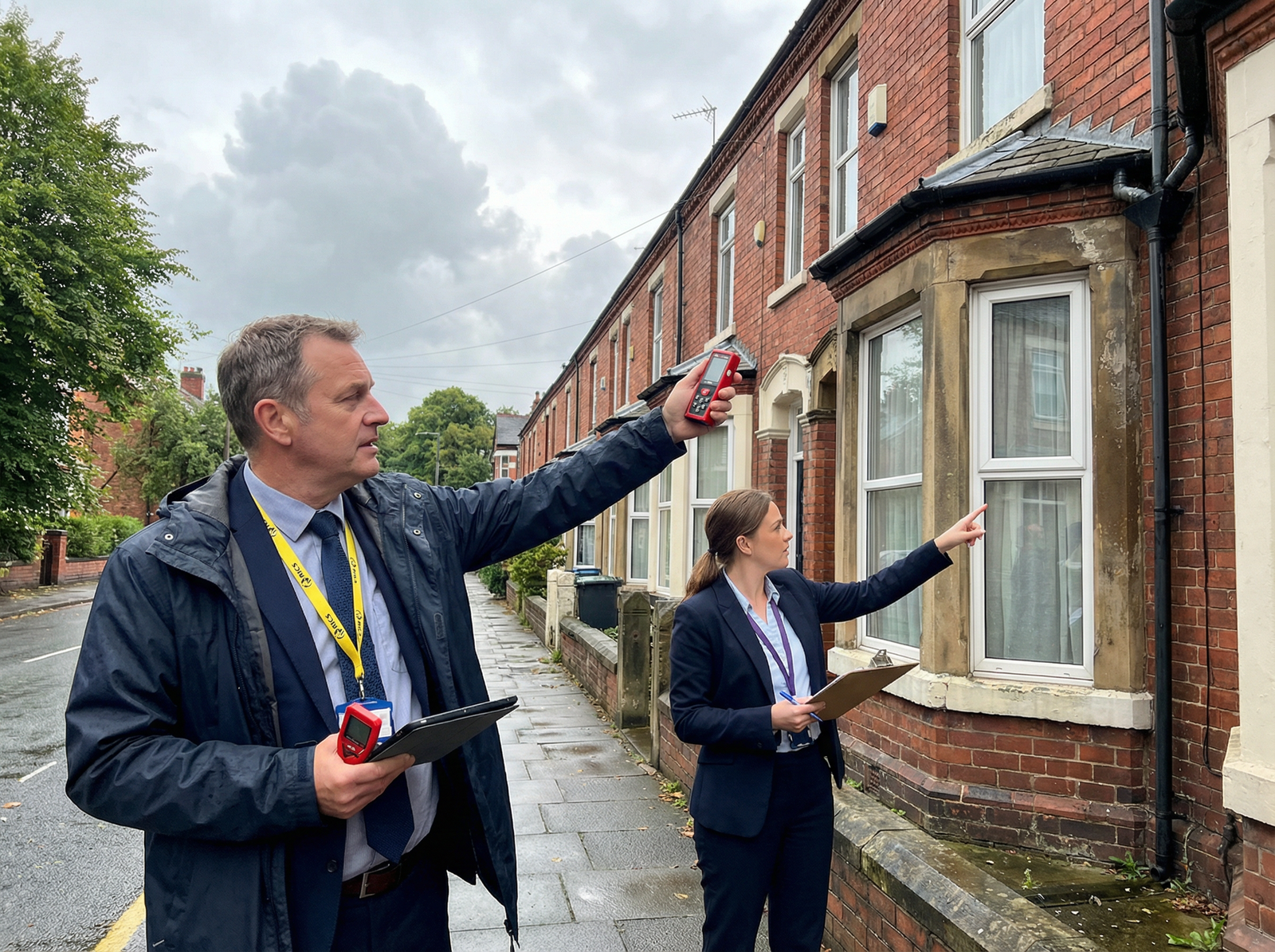
The inspection forms the foundation of every valuation. Our valuers visit the property to assess its construction, condition, accommodation, and any features affecting value. We measure floor areas where appropriate, note the property's specification and finish quality, identify any significant defects or issues, and observe the immediate locality and surrounding area. Unlike mortgage valuations that may involve only brief external inspection, our comprehensive valuations include thorough internal examination of all accessible areas.
Following the inspection, we research comparable evidence to support the valuation. This involves analyzing recent sales of similar properties in the locality, considering any differences in size, condition, or specification that affect comparability. We examine current asking prices for properties on the market, though these may not reflect actual transaction values. Historical sale data provides context for market trends and value movements over time. Our experience and market knowledge helps us interpret this evidence and form professional opinions of value.
We compile detailed valuation reports explaining our methodology, analysis, and conclusions. RICS valuation reports include property descriptions, details of our inspection, analysis of comparable evidence, discussion of factors affecting value, and our professional opinion of market value. We explain any assumptions or special assumptions made, identify any limitations to our inspection, and highlight significant factors influencing our opinion. The report provides transparent reasoning supporting our valuation, giving you confidence in its accuracy and reliability.
The time required for valuations varies depending on property size, complexity, and purpose. Straightforward residential valuations typically take one to two weeks from inspection to report delivery, allowing time for comparable research and report preparation. More complex commercial valuations or those requiring extensive research may take longer. We keep clients informed of progress and advise promptly if any issues arise affecting timescales or requiring clarification.
When You Need a Professional Valuation
Several circumstances require or benefit from professional RICS valuations from chartered surveyors. When buying property, you might commission an independent valuation to confirm you're paying fair market value, particularly if the purchase price seems high or you have concerns about overpaying. This protects your investment and provides evidence supporting mortgage applications. Many buyers who proceed without independent valuations later regret the decision when they struggle to sell or remortgage at similar values.
Remortgaging often requires updated valuations demonstrating current property values support the loan amount. Lenders typically arrange these valuations, but you might commission independent valuations beforehand to assess your equity position and borrowing capacity. Understanding your property's current value helps you make informed decisions about remortgaging, accessing equity, or investing in improvements that enhance value.
Inheritance situations require probate valuations establishing property values at the date of death. Executors must obtain professional valuations from RICS registered valuers for inheritance tax purposes, particularly for higher-value estates. These valuations need careful documentation and supporting evidence, as HM Revenue and Customs may challenge undervaluations. Professional valuations protect executors from personal liability and ensure estate values are calculated correctly.
Divorce proceedings often require matrimonial valuations to establish fair division of assets. Courts prefer single joint expert valuations providing impartial assessment, though parties sometimes instruct separate valuers. These valuations must consider various potential scenarios and demonstrate complete objectivity. Professional chartered surveyors experienced in matrimonial work understand court requirements and provide valuations meeting legal standards.
Tax planning scenarios including capital gains calculations, gift valuations, or property transfers between family members benefit from professional valuations. Establishing accurate values for tax purposes protects you from penalties and ensures correct tax payments. HM Revenue and Customs increasingly scrutinizes property valuations, making professional RICS valuations essential for defensible tax positions.
Understanding Valuation Reports
Professional valuation reports follow standardized formats ensuring clarity and completeness. The introduction section explains the purpose of the valuation, defines the valuation date, confirms the property address, and clarifies any special instructions or assumptions. This section establishes the framework for the entire valuation and ensures everyone understands its scope and limitations. We define key terms including market value, explain our qualifications and experience, and confirm our independence and lack of conflicts of interest.
The property description section provides comprehensive details about the property including its construction, accommodation, specification, condition, services, and grounds. We describe the property type, age, construction materials, roof covering, windows, and internal layout. Accommodation details list rooms and spaces with approximate sizes where appropriate. We note the property's condition and any significant defects or issues affecting value, though valuations aren't detailed condition surveys identifying every defect.
The location and market section analyzes the property's position, local amenities, transport links, and market conditions. We describe the immediate locality, identify nearby facilities and services, and comment on the area's general character and desirability. Market analysis considers recent sales trends, current supply and demand dynamics, and factors affecting values in the specific location and property type. This context helps readers understand the market environment influencing our valuation.
The comparable evidence section presents recent sales of similar properties supporting our valuation. We describe each comparable property, note its sale price and date, and explain relevant differences affecting comparability. Adjustments may be necessary for factors like property size, condition, specification, or location variations. This transparent presentation of evidence demonstrates the reasoning behind our valuation and allows readers to understand and verify our analysis.
The conclusion section states our professional opinion of market value clearly and unequivocally. We explain our reasoning, highlight key factors influencing value, and note any particular considerations affecting our opinion. Where appropriate, we may provide additional commentary on factors affecting marketability, achievable sale timescales, or considerations for different scenarios. The report ends with our professional signature, confirming we accept responsibility for the valuation opinion.
The Difference Between Valuations and Estate Agent Appraisals
Estate agents provide marketing appraisals when you're considering selling property, but these differ fundamentally from professional RICS valuations. Estate agents suggest asking prices designed to attract buyers and secure instructions, often pitching competitively high to win your business. Their opinions come free because they hope to earn commission from successfully selling your property. While estate agents understand local markets and have valuable sales experience, they aren't qualified valuers and their opinions lack the rigor and accountability of professional valuations.
Professional valuations from chartered surveyors follow strict RICS standards and carry professional indemnity insurance backing. We're qualified valuers with extensive training and experience, bound by professional codes of conduct requiring competence, objectivity, and transparency. Our valuations are independent opinions based on thorough inspection, comparable evidence, and market analysis rather than sales targets or commission aspirations. We charge fees reflecting the professional service provided, but these fees buy expertise, objectivity, and accountability unavailable from free estate agent appraisals.
When you need a valuation for legal, tax, or financial purposes, only professional RICS valuations from chartered surveyors meet requirements. Estate agent appraisals aren't acceptable for mortgage purposes, probate calculations, tax declarations, or court proceedings. Even when no formal requirement exists, professional valuations provide greater confidence and protection than informal opinions. The peace of mind from knowing your valuation comes from qualified professionals following rigorous standards often justifies the cost.
Expert Property Valuation Services in Essex
Our chartered surveyors and registered valuers provide professional RICS valuations for all purposes. Contact us today to discuss your requirements.
Get in TouchChoosing the Right Valuation Provider
Selecting appropriate surveyors for your valuation ensures you receive professional service meeting your needs. Look for RICS registered valuers who are members of the Royal Institution of Chartered Surveyors, confirming they meet professional standards and maintain appropriate qualifications. Membership of RICS requires extensive training, continuing professional development, and adherence to strict codes of conduct. RICS members carry professional indemnity insurance protecting clients if valuations prove negligent or inaccurate.
Experience and local knowledge significantly affect valuation quality. Valuers familiar with Essex property markets understand local value patterns, neighborhood characteristics, and factors affecting values in different areas. They recognize property types typical to the region and have extensive comparable evidence from local sales. Choose surveyors practicing regularly in your property's location rather than those covering wide geographic areas with less detailed local knowledge.
Consider the valuation's purpose when selecting providers. Some surveyors specialize in particular valuation types like matrimonial work, probate valuations, or commercial property. Specialist expertise ensures your valuer understands specific requirements and produces valuations meeting necessary standards. Discuss your requirements openly and confirm the surveyor has appropriate experience before proceeding with instructions.
Understanding the valuation process, different valuation types, and factors affecting property values across Essex empowers you to make informed decisions about property transactions and planning. Professional RICS valuations from experienced chartered surveyors provide reliable foundation for major financial decisions, whether buying, selling, inheritance planning, or legal proceedings. The investment in professional valuation services protects much larger property values and ensures you proceed with confidence based on expert, impartial assessment.