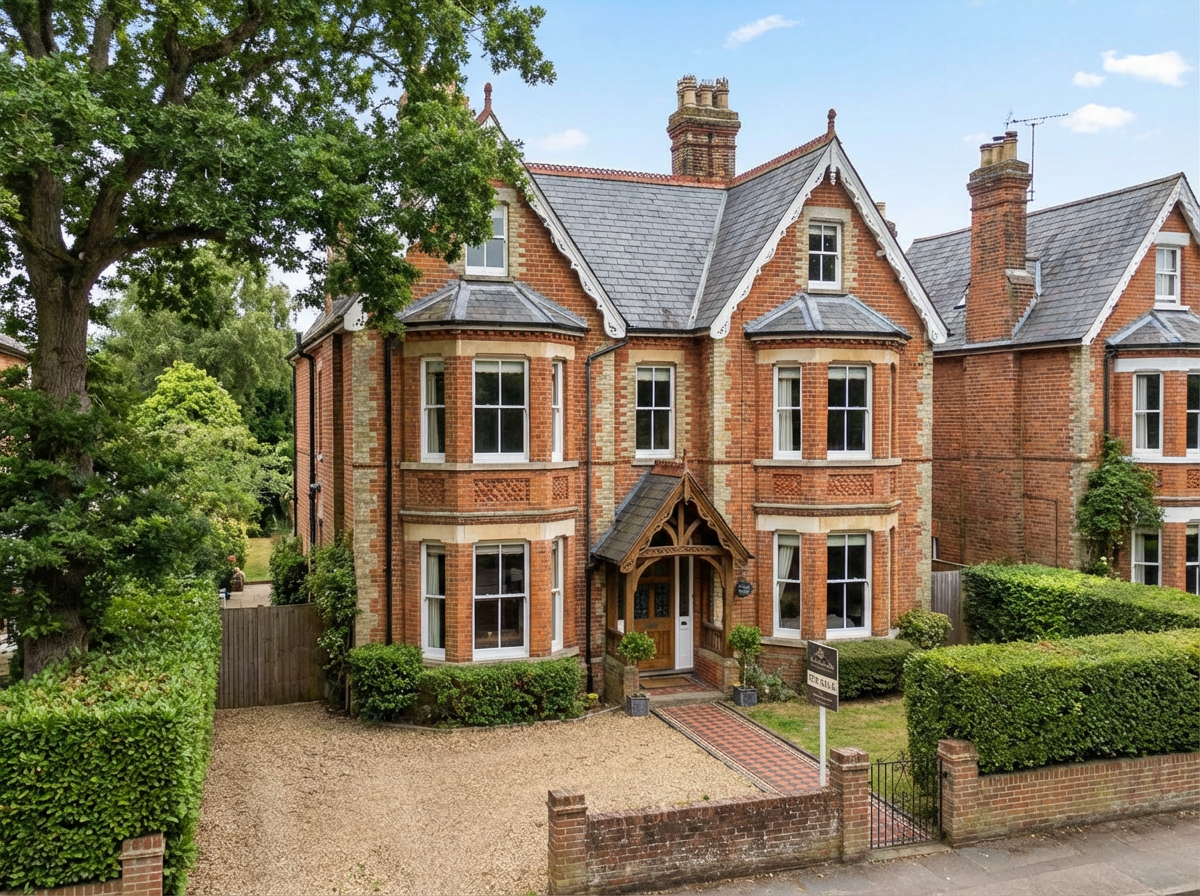
Victorian properties offer timeless character, generous proportions, and architectural charm that appeals to many Essex homebuyers. However, homes built between 1837 and 1901 present unique challenges and potential issues that modern properties don't share. This comprehensive guide explains what to look for when surveying Victorian properties and why a thorough RICS Level 3 Building Survey is essential for period home purchases.
The Appeal of Victorian Properties in Essex
Essex boasts a rich heritage of Victorian housing, particularly in towns like Colchester, Chelmsford, Southend-on-Sea, and Brentwood that experienced significant growth during the Victorian era. These properties offer features that modern homes simply cannot replicate including high ceilings that create a sense of space and grandeur, original period features such as cornicing, fireplaces, and sash windows, solid brick construction with thick walls providing excellent sound insulation, and generous room proportions that accommodate contemporary lifestyles surprisingly well.
Victorian terraced houses, semi-detached villas, and detached family homes remain highly sought after in Essex's property market. Their enduring popularity reflects both their aesthetic appeal and their adaptability to modern living requirements through sensitive renovation and extension. However, the age and construction methods of Victorian properties mean that comprehensive professional surveys are absolutely essential before purchase.
Why Victorian Properties Need Comprehensive Surveys
While Victorian builders created remarkably durable structures, properties of this age inevitably present maintenance and defect issues that buyers must understand before committing to purchase. The construction techniques and materials used in the Victorian era differ fundamentally from modern building practices, requiring specialized knowledge to assess properly.
Victorian properties were built using solid wall construction without cavity walls or damp proof courses, technologies that were not introduced until later. Foundations are often shallow by modern standards, lime mortar rather than cement was commonly used, and original services including electrical wiring, plumbing, and drainage are usually long past their design life. Understanding these fundamental characteristics helps explain many of the issues surveyors commonly encounter in Victorian properties across Essex.
A RICS Level 3 Building Survey provides the detailed assessment Victorian properties require. This comprehensive inspection examines all accessible areas of the property, identifies defects both visible and concealed, assesses the implications of construction methods and alterations, provides repair cost guidance, and offers advice on maintenance and future issues. For Victorian properties, this level of survey is not excessive caution but essential due diligence.
Common Issues in Victorian Properties
Our chartered surveyors encounter certain issues repeatedly when surveying Victorian properties throughout Essex. Understanding these common problems helps buyers set realistic expectations and budget appropriately for ongoing maintenance and repairs.
Damp and Moisture Problems
Damp represents the single most common issue in Victorian properties. The solid wall construction and lack of original damp proof courses makes Victorian buildings inherently vulnerable to moisture penetration. Rising damp occurs when groundwater moves up through walls via capillary action, a problem that Victorian builders attempted to prevent through thick base courses but which commonly affects properties where ground levels have risen or original protections have failed.
Penetrating damp results from rainwater entering through defective external walls, pointing, or detailing. Victorian brickwork and lime mortar can deteriorate over time, creating pathways for moisture ingress. Condensation issues often affect Victorian properties where modern heating systems and insulation have been installed without adequate ventilation to manage water vapor.
Professional surveyors use moisture meters and visual inspection to identify damp problems and their likely causes. Treatment varies from simple repairs to external walls and improved ventilation through to installation of chemical or physical damp proof courses costing several thousand pounds.
Structural Movement and Subsidence
Victorian properties commonly exhibit cracks and signs of historic structural movement. The shallow foundations typical of Victorian construction combined with clay soils common throughout much of Essex create vulnerability to ground movement during dry summers and wet winters. However, not all cracks indicate serious problems, and experienced surveyors can distinguish between historic movement that has stabilized and active structural issues requiring intervention.
Subsidence, where foundations sink into the ground, represents the most serious form of structural movement. Tree roots extracting moisture from clay soils, leaking drains washing away supporting ground, and inadequate foundation depth for soil conditions all contribute to subsidence risk in Victorian properties. Professional assessment can determine whether cracking indicates subsidence requiring underpinning, or simply reflects normal settlement and thermal movement.
Many Victorian properties have experienced some structural movement over their 120-plus year lifespan without compromising their fundamental integrity. Survey reports provide context for observed cracking, recommendations for monitoring or repair, and guidance on insurance implications if subsidence is identified.
Roof and Chimney Issues
Original Victorian roofs typically used natural slate or clay tiles on timber frameworks. After over a century of service, many Victorian roofs in Essex require significant maintenance or complete replacement. Common issues include deteriorated roof coverings with missing, slipped, or broken slates or tiles creating waterproofing vulnerabilities, decayed roof timbers particularly where previous water ingress has occurred, inadequate or deteriorated roofing felt or sarking, and defective lead valley gutters and flashings.
Complete roof replacement on a Victorian property typically costs £8,000 to £15,000 or more depending on property size, materials, and access. Partial repairs may provide a more economical short to medium term solution, but buyers should understand the likely timescale for major works.
Victorian chimneys present their own challenges. Many are no longer used following installation of modern heating systems, but still require maintenance to prevent water ingress and structural deterioration. Chimney stacks can become unstable, pointing deteriorates, flashing fails, and internal flues may be defective or blocked. Surveyors assess chimney condition and provide repair recommendations, which may range from simple repointing to complete rebuilding costing several thousand pounds.
Original Windows and Doors
Victorian sash windows represent beautiful period features that contribute significantly to property character. However, original timber sash windows require regular maintenance and often exhibit decay, particularly to lower sections exposed to weather and ground moisture. The sash mechanism may be defective with broken cords or seized pulleys, glazing putty deteriorates and requires renewal, paint finishes breakdown exposing timber to moisture, and single glazing provides poor thermal performance and sound insulation.
Many Victorian properties in Essex have had windows replaced with modern alternatives, sometimes appropriately but often using inappropriate UPVC replacements that compromise character. Surveyors assess window condition and provide guidance on repair versus replacement decisions. Proper restoration of original sash windows can cost £800 to £1,500 per window but preserves character better than replacement options.
Services and Systems
Victorian properties were not built with electricity, central heating, or modern plumbing systems. All services in Victorian properties have been retrofitted, and many Essex Victorian homes still contain outdated or dangerous electrical, heating, and plumbing installations requiring replacement.
Original electrical wiring from the early to mid twentieth century commonly remains in service despite being completely obsolete and potentially dangerous. Modern electrical installations should be tested and certified every ten years, with rewiring typically required every twenty-five to forty years. Complete rewiring of a Victorian property costs £3,000 to £8,000 depending on size and finish requirements.
Heating systems in Victorian properties range from original fireplaces and radiators to modern boilers and underfloor heating. Old boilers beyond their design life represent safety and reliability risks. Original cast iron pipework may be deteriorated or inadequate for modern requirements. Surveyors recommend heating system assessments by qualified engineers and provide guidance on replacement budgets.
Plumbing in Victorian properties often combines original lead pipes, later galvanized steel, and modern copper or plastic. Lead pipes present health concerns and should be replaced. Original drainage systems commonly suffer from deterioration, root ingress, or inadequate capacity for modern usage. CCTV drainage surveys provide detailed assessment of underground drainage condition, identifying problems before they cause major damage.
Extensions and Alterations to Victorian Properties
Many Victorian properties in Essex have been extended and altered over the decades. While sympathetic additions can enhance property value and functionality, poor quality or inappropriate alterations create problems that surveyors must identify and assess.
Rear extensions are common in Victorian terraced houses, often dating from the mid to late twentieth century. The quality and condition of these extensions varies enormously. Surveyors examine construction quality, structural integration with the original building, weatherproofing and damp proofing adequacy, compliance with building regulations where applicable, and impact on original period features.
Loft conversions in Victorian properties can create valuable additional living space. The high roof spaces typical of Victorian construction suit conversion, but structural considerations including adequate support for floor loads, proper stairs meeting building regulations, fire safety provisions including escape routes and fire-resistant construction, insulation and ventilation to prevent condensation, and retention of roof structure integrity all require careful assessment.
Internal alterations may have removed walls, blocked fireplaces, or reconfigured layouts. Surveyors identify where structural walls have been removed without adequate support, creating safety concerns and potential for progressive structural damage. Understanding what alterations have been made and whether they were completed properly and with necessary approvals helps buyers avoid costly remediation or complications with insurance and future sales.
Assessing Victorian Property Purchase Costs
The true cost of buying a Victorian property extends well beyond the purchase price. Realistic budgeting requires accounting for immediate repairs identified by surveys, ongoing maintenance requirements that are higher for older properties, energy efficiency improvements to reduce running costs, and potential insurance premium increases where structural issues are identified.
Survey reports provide essential information for cost assessment. A comprehensive RICS Level 3 Building Survey identifies all significant defects and provides guidance on repair costs, enabling buyers to budget accurately or negotiate price reductions where major work is required. Many buyers successfully negotiate five-figure discounts on Victorian properties after surveys reveal extensive repairs needed.
Ongoing maintenance costs for Victorian properties typically exceed those for modern homes. Setting aside one to two percent of property value annually for maintenance provides a realistic budget for routine repairs and gradual replacement of aged components. This forward planning prevents unexpected expenses from derailing household finances.
Making Victorian Properties Work for Modern Living
Despite the challenges outlined above, Victorian properties can provide wonderful homes that combine period character with contemporary comfort. Success requires realistic expectations, appropriate budgeting, and sympathetic approaches to necessary modernization and repairs.
Energy efficiency improvements help reduce running costs while preserving character. Options include secondary glazing for original sash windows providing thermal and acoustic benefits without altering external appearance, internal wall insulation where external wall insulation would harm character, loft insulation upgraded to modern standards, and efficient heating systems properly designed for older property characteristics.
Working with contractors experienced in period property repair and restoration ensures that necessary work respects original construction methods and materials. Using inappropriate modern materials or techniques can cause damage to Victorian buildings. Lime mortar, breathable paints, and traditional detailing should be specified where appropriate despite costing more than modern alternatives.
How Our Surveyors Assess Victorian Properties
Our chartered surveyors bring decades of experience assessing Victorian properties throughout Essex. We understand the construction methods, common defects, and appropriate repair approaches for period properties, providing the detailed, practical advice buyers need to make informed decisions.
Our Victorian property surveys are always RICS Level 3 Building Surveys, recognizing that less comprehensive survey levels are inadequate for properties of this age and complexity. We examine all accessible areas including roof spaces, cellars, and outbuildings, assess the significance of observed defects in context of property age and construction, identify where services and systems require testing or replacement, provide realistic cost guidance for necessary repairs and maintenance, and offer practical advice on prioritizing works and managing the property long-term.
We recognize that Victorian properties should be assessed against appropriate standards for their age rather than expecting them to meet modern building standards. Our reports distinguish between defects requiring urgent attention and characteristic features of properties of this age that can be managed through appropriate maintenance.
Conclusion: Buying Victorian Properties with Confidence
Victorian properties represent some of the most characterful and rewarding homes in Essex, offering architectural interest and spacious accommodation that modern properties rarely match. However, the age and construction characteristics of Victorian properties require buyers to approach purchases with eyes wide open, armed with comprehensive professional survey information.
A thorough RICS Level 3 Building Survey is an essential investment when buying any Victorian property. The survey cost of typically £800 to £1,500 represents excellent value considering the six-figure purchase price and the potential costs of major defects that might otherwise go undetected until after completion.
Understanding what to expect from Victorian properties, budgeting realistically for repairs and maintenance, and working with experienced professionals ensures that your period property purchase provides long-term satisfaction rather than endless expensive problems.
Need a Victorian Property Survey in Essex?
Our experienced chartered surveyors specialize in assessing period properties throughout Essex. We provide comprehensive RICS Level 3 Building Surveys that identify all significant issues and give you the detailed information needed to purchase with confidence.
Request a Period Property Survey